If you experience sudden swelling, severe shortness of breath, chest pain, or confusion, seek emergency medical care immediately. Understanding High…
Author: admin
10 Early Signs of Dementia You Should NEVER Ignore!
You walk into the kitchen… and suddenly can’t remember why. You call your granddaughter by your daughter’s name — again.…
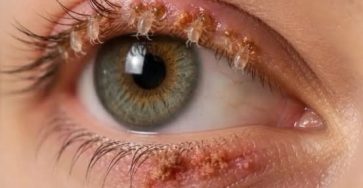
Why sleeping with your phone in the bedroom is (really) a bad idea
We place it on the bedside table, sometimes even under the pillow. The smartphone has become our last companion before…
5 Symptoms of a Mini Stroke in Seniors That Shouldn’t Be Ignored
Sudden Loss of Strength or Sensation in a Part of the Body One of the most common symptoms of a…

8 Warning Signs of Stroke That May Appear Before a Major Event — and 9 Ways to Lower Your Risk…. See more
8 Warning Signs of Stroke That May Appear Before a Major Event — and 9 Ways to Lower Your Risk…

What Are the Most Common Side Effects of Amlodipine? 12 Things to Watch For
If you’re taking amlodipine to help manage high blood pressure or certain heart conditions, you might have noticed some unexpected…
5 surprising causes of weak legs in seniors—and how to fix them!
It’s a common worry as we get older: our legs just don’t feel as strong as they used to. Maybe…
What You Should Know About 5 Vitamins for Neuropathy Support Before Starting Supplements
Your feet feel like they’re wrapped in invisible cotton, making every step uncertain and frustrating. That persistent tingling or burning…

What Is Tavapadon? Understanding This New Approach for Managing Parkinson’s Motor Symptoms
Living with Parkinson’s disease often means facing daily challenges like stiffness, tremors, and slowness of movement that make simple tasks…
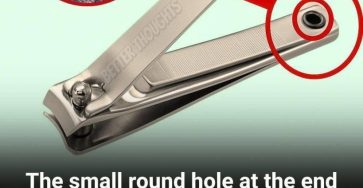
The Tiny Hole on Your Nail Clipper — and Why Small Design Details Matter More Than We RealizeMost of us use everyday tools on autopilot. We brush our teeth, turn door handles, open jars, clip our nails — all without thinking twice. These objects are so familiar that we rarely question how they work or why they’re shaped the way they are. Take the humble nail clipper. It’s small, inexpensive, and found in almost every household. You might keep one in your bathroom drawer, your purse, or your travel bag. You’ve probably used it thousands of times. Yet very few people stop to notice one tiny detail: the small round hole at the end of the clipper’s handle. At first glance, it looks insignificant. Almost decorative. But that little hole is a quiet example of thoughtful engineering — and a reminder that good design often hides in plain sight. A Simple Tool With a Smart Mechanism That small round hole is not an accident. It plays a central role in how the nail clipper functions. When you flip the metal lever over and insert it into the hole, it becomes the pivot point — the hinge that allows the lever to multiply force. With a gentle press of your thumb, the blades close evenly and cleanly, cutting through a hard nail with minimal effort. This is leverage at work, a basic mechanical principle that turns a small amount of pressure into a powerful action. Because of this design, the clipper does not rely on strength alone. It relies on geometry and balance. Professional nail care For someone with strong hands, this may go unnoticed. But for older adults, or anyone living with arthritis, joint stiffness, nerve pain, or reduced grip strength, this detail makes all the difference. The tool works with the body, not against it. Good design doesn’t demand more effort from the user. It quietly reduces it. Continued on next page//When Design Protects Dignity As we age, everyday tasks can become more challenging. Something as routine as trimming nails may require more concentration, steadiness, or strength than it once did. What often goes unspoken is how deeply this affects independence and self-esteem. Struggling with small tasks can feel frustrating, even embarrassing. It’s not about vanity or pride — it’s about autonomy. Being able to care for yourself, in your own time, without pain or assistance, matters. That’s why thoughtful design is not a luxury. It’s a form of respect.
Most of us use everyday tools on autopilot. We brush our teeth, turn door handles, open jars, clip our nails…
